-05652.png)
Is it Time to Buy a Seven Seater?
When your current car starts feeling a bit cramped, or you find yourself playing Tetris with car seats and shopping bags, it might be time to consider whether a seven-seater is the answer. For many New Zealand families, the jump to a larger vehicle represents more than just extra seats. It's about comfort, convenience, and making family life that little bit easier, especially when you need to fit two car seats alongside other passengers.
But is a seven-seater right for your family? The decision involves more than just counting heads. It's about understanding how you actually use your car, what your priorities are, and whether the benefits outweigh the costs.
Here's how to work out if it's time to make the move to a seven-seater.
Signs you might need more space
The most obvious indicator is simply running out of room. If you've got three or more children, or regularly transport extended family, friends, or sporting equipment, you've probably already felt the squeeze. Child seats take up significant space, and once you add in prams, sports bags, and the weekly shopping, even a decent-sized five-seater can feel inadequate.
But it's not just about the number of people. Growing children need more space, both for themselves and their gear. What worked when you had toddlers might not cut it when those same kids are teenagers with more friends, longer legs and bigger sports bags.
Consider your lifestyle too. Do you regularly go on family road trips? Host playdates where you're ferrying multiple children? Take elderly relatives to appointments? If you find yourself frequently wishing for just a bit more room, that's a strong sign a seven-seater could improve your quality of life.
When a Seven-Seater Makes Sense
Beyond the obvious space benefits, seven-seaters can make practical sense in several situations. If you're frequently hiring larger vehicles for holidays or special occasions, the annual cost might justify owning one year-round. Similarly, if you're constantly making multiple trips because everyone won't fit, the time and fuel savings add up.
Seven-seaters also offer flexibility that goes beyond passenger capacity. Those seven seats often fold down to create massive cargo space, perfect for furniture runs, moving house, or those big Bunnings trips. For families with active lifestyles, this versatility can be invaluable.
Safety can be another consideration. Many seven-seater SUVs sit higher off the road, providing better visibility and a sense of security that appeals to families. Modern seven-seaters also come loaded with safety features designed with families in mind, making them an excellent choice for a family car.
SUVs vs People Movers: What's the Difference?
When it comes to seven-seaters, you've essentially got two main options: SUVs and people movers (also called MPVs or vans). Each has distinct advantages depending on your priorities.
Seven Seat SUVs

Seven-seat SUVs tend to offer better ground clearance, more robust build quality, and often superior towing capacity. They generally look more like traditional cars and can handle rough roads or light off-roading better than people movers. Popular options in New Zealand include models like the Toyota Highlander, Mazda CX-9, Hyundai Santa Fe, and Mitsubishi Outlander.
People Movers
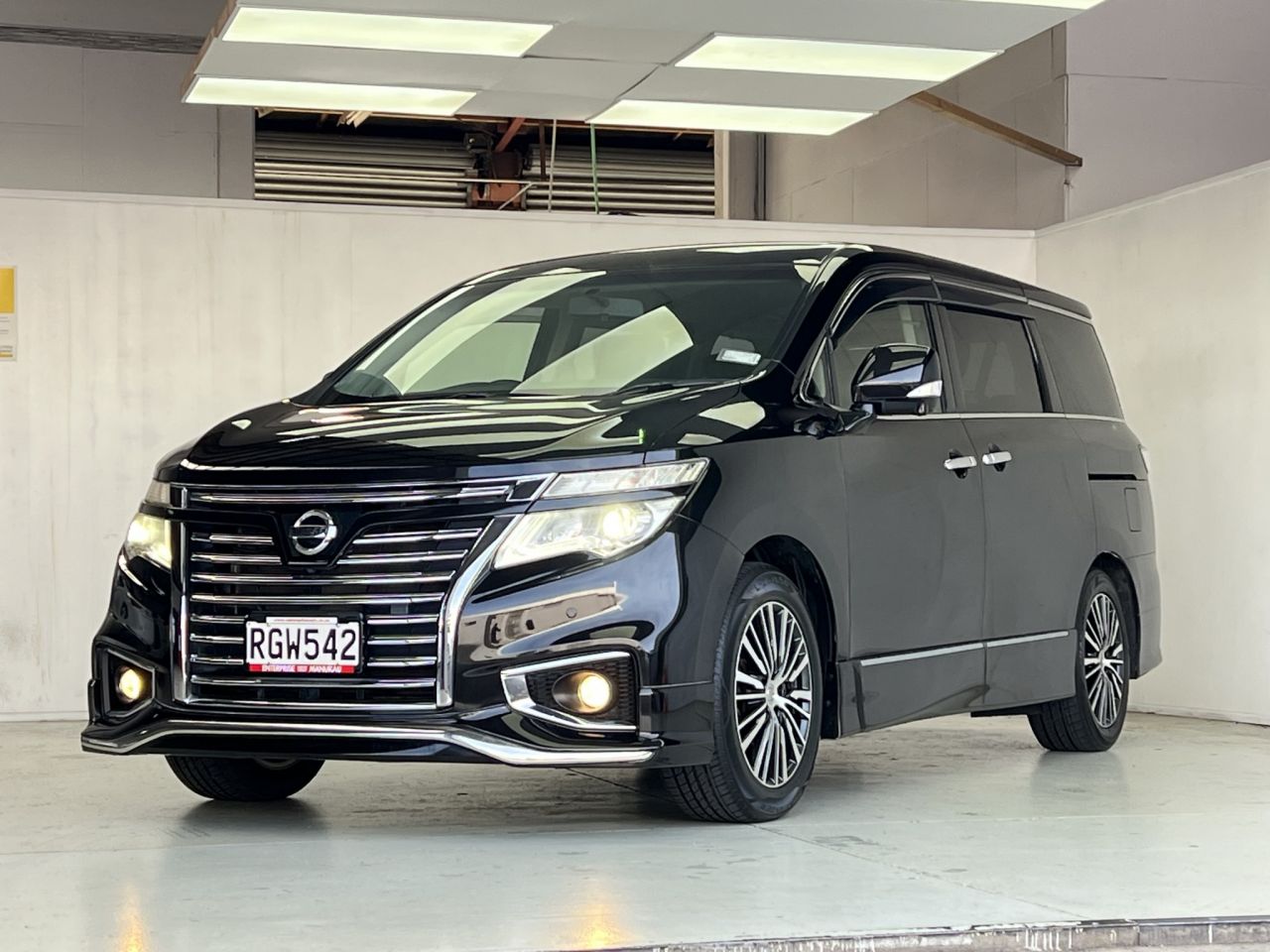
People movers (or vans) are designed specifically for passenger comfort and cargo space. They typically offer easier access to all three rows of seats, more headroom, and better visibility for passengers. Models like the Toyota Estima, Honda Odyssey, and Mazda Biante maximise interior space within their footprint while providing a spacious interior.
The best seven seat vehicles balance comfort in both the second and third rows with practical considerations like fuel economy and running costs. Consider whether the rearmost seats will actually be used regularly, as this affects which type of vehicle makes most sense for your family.
The choice often comes down to how you plan to use the vehicle. If you need towing capacity for boats or trailers, or want the versatility to handle different road conditions, an SUV might be the better choice. If your priority is passenger comfort and maximising interior space, a people mover could be more suitable.
What to consider before making the switch
Moving to a seven-seater isn't just about gaining space. There are practical considerations that affect daily life. Fuel consumption typically increases, both due to larger engines and the extra weight. Parking becomes more challenging, especially in crowded shopping centres or tight city streets.
Running costs generally increase too. Larger vehicles often require more expensive tyres, higher insurance premiums, and more costly services. Registration fees might also be higher depending on the vehicle's weight and engine size, and few cars in this category achieve the fuel economy of smaller vehicles.
Consider how often you'll use all seven seats. If it's only occasionally, you might be paying for space you don't regularly need. Some families find that a well-organised five-seater plus occasional rental for larger groups makes more financial sense, particularly if you only need enough space for everyone a few times per year.
Making the transition work
If you decide a seven-seater is right for your family, think about what type of driving you do most. City driving favours different vehicles than regular long-distance travel. Consider whether you need all-wheel drive, what safety features are important to you, and whether hybrid cars might help offset some of the fuel cost increases. Also, think about practical considerations like boot space and how much luggage you typically carry.
Then there are the practicalities. How important is easy access to the third row seats? Do you need ISOFIX anchor points in all rows for car seats? Will the vehicle fit in your garage? These details matter more than you might initially think.
Don't forget to factor in the transition itself. If you're moving from a smaller car, there's an adjustment period to get comfortable with the size and handling of a larger vehicle. Take your time with test drives and make sure you're confident with parking and manoeuvring before making the switch. Test how much space third row occupants have, and check whether the second row seats provide adequate comfort for regular passengers.
When to stick with what you have

A seven-seater isn't always the answer, even for larger families. If your current vehicle meets your needs most of the time, with only occasional space issues, you might be better off sticking with what you have and renting larger vehicles when needed.
Consider whether better organisation or accessories might solve your space problems. Roof boxes, bike racks, or better storage solutions can sometimes provide the extra capacity you need without requiring a bigger vehicle. Most cars can be made more efficient with the right accessories.
Budget is obviously a factor, too. Seven-seaters typically cost more to buy, run, and maintain. If the additional expense would stretch your finances, it might be worth waiting or considering used cars for sale to get more value for money.
Environmental considerations
Larger vehicles generally have a bigger environmental impact, but this doesn't mean seven-seaters can't be part of an environmentally conscious choice. Modern seven-seaters are significantly more efficient than older models, and some electric cars now offer seven-seat configurations.
If environmental impact is important to your family, look for fuel-efficient options or consider whether hybrid technology might offset some of the increased consumption. Sometimes one larger, efficient vehicle makes more environmental sense than running two smaller cars.
Getting the timing right
The best time to move to a seven-seater varies for every family. Some families make the switch when expecting their third child, while others wait until space becomes a genuine daily problem. Consider how your family is going to grow, your current financial situation, and how long you typically keep vehicles.
If you plan to keep the vehicle for many years, factor in how your needs might change. Children grow, family circumstances evolve, and what works today might not work in five years.
Making the right choice
Choosing the right seven-seater involves balancing space, safety, running costs, and personal preferences. Take time to research different models, read reviews, and most importantly, test drive several options with your whole family. Pay attention to how easily second row passengers can access the rear seat areas, and whether third row passengers will be comfortable on longer journeys.
Consider getting a car valuation for your current vehicle to understand your trade-in position. This helps with budgeting and timing your purchase effectively.
Find Your Perfect Seven-Seater at Only Cars NZ

Moving to a seven-seater is a significant decision that can greatly improve family life when done for the right reasons. Whether you choose an SUV for its versatility or a people mover for maximum space, the key is finding a vehicle that genuinely fits your family's needs and lifestyle.
Ready to explore your options? Browse our selection of new cars for sale and used cars for sale to find the perfect seven-seater for your family. With extensive filtering options, you can easily buy a car online and find exactly what you're looking for, whether that's fuel efficiency, safety features, or simply the space your growing family needs.