How Much to Charge an EV in NZ
If you’re considering making the switch to an electric vehicle (EV), one of the biggest questions you’re probably asking is, “How much does it actually cost to charge an EV in New Zealand?” Well, you might be pleasantly surprised. Charging an electric car is far cheaper than filling up a petrol or diesel car, and the savings quickly add up. Let’s break down the costs and compare them to the old-school way of getting around.
The Cost of Charging at Home
Charging your EV at home is the most common and cost-effective way to keep your battery topped up. On average, electricity costs around 25 cents per kilowatt-hour (kWh) in New Zealand.
To give you a rough idea, most EVs use about 18 kWh of electricity to travel 100km. That works out to be around $4.50 per 100km. Compare that to an average petrol car, which uses around 11.1 litres of fuel to travel the same distance. With petrol prices averaging $2.56 per litre across the country according to Gaspy, you’re looking at roughly $28.41 per 100km.
In other words, driving an EV costs about one-sixth of what it costs to drive a petrol car. And if you’ve got a home solar system, you can reduce that cost even further, especially if you’re charging during off-peak times when electricity is cheaper.
What About Public Charging?
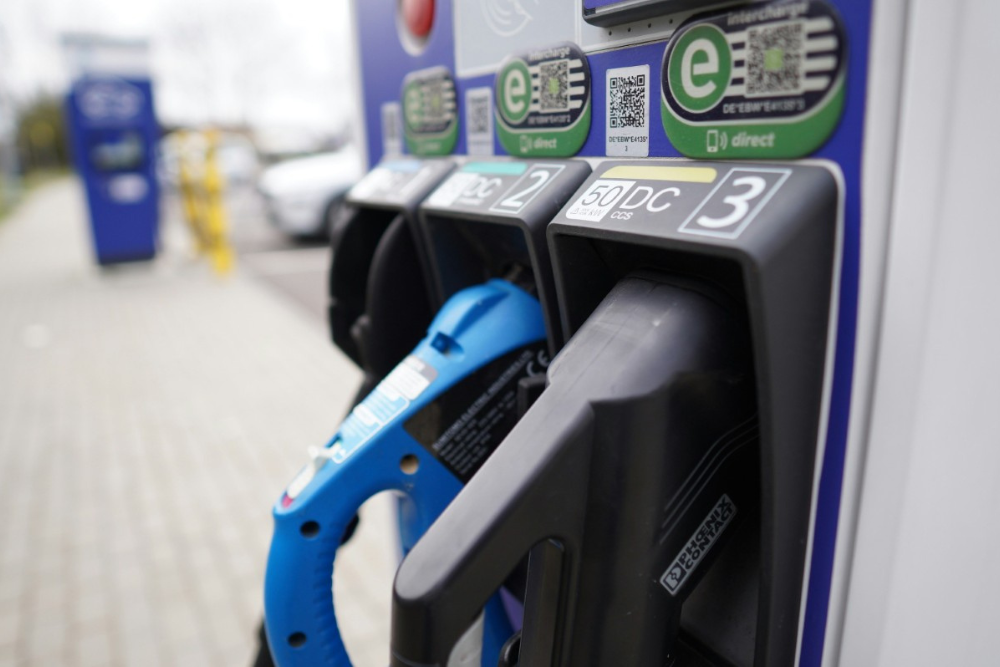
Public charging costs can vary depending on where you plug in and the speed of the charger. Generally, there are three main types of public EV charging stations:
- Standard Chargers (AC chargers):
- Usually free or very cheap to use.
- Slow but handy if you’re parked for a few hours at a shopping centre or workplace.
- Fast Chargers (DC charging):
- Cost around 25 to 40 cents per kWh.
- Typically found at public carparks and shopping centres.
- Ultra-Rapid Chargers (DC charging):
- Cost between 40 to 60 cents per kWh.
- Can charge most EVs from 10% to 80% in about 15 to 30 minutes.
- These are commonly found along major highways for longer road trips.
So, if you’re charging your EV on an ultra-rapid charger at 50 cents per kWh, it’ll cost you around $9 per 100km; still cheaper than petrol, but more expensive than home charging.
What About Road Trips?
If you’re using public charging for long trips, the cost will depend on the type of charger you’re using. Most people will mix fast and ultra-rapid chargers on long journeys, so your average cost will probably fall somewhere between $7 and $9 per 100km.
But here’s the thing: most Kiwis still do the majority of their charging at home. According to a 2023 survey by EECA, 97% of EV drivers charge at home, and public chargers are generally just for topping up during road trips.
How Much Will You Spend on Charging Your EV Each Year?
According to the Ministry of Transport, the average car in New Zealand drives around 11,500 kilometres per year. If you’re charging at home, that’s going to cost you about $520 per year. Compare that to a petrol car, where the average Kiwi spends up to $2,800 annually according to 2024 figures from Stats NZ.
And if you’ve signed up for an off-peak EV charging plan through your electricity provider, you can cut that cost even further. For example, some plans offer cheaper rates during the night, which is perfect if you’re just plugging in before heading to bed.
Charging and Road User Charges
It’s worth noting that until March 2024, EV owners have been exempt from road user charges (RUCs), which has been a nice little perk for going green. However, that exemption is ending, which means EV owners will need to pre-purchase RUCs, just like diesel vehicle owners. This will add some extra cost to your EV ownership, but it’s still likely to be cheaper than regular petrol and diesel running costs.
Additional Savings: Reduced Maintenance Costs
One thing we haven’t covered yet is maintenance. EVs have far fewer moving parts compared to petrol or diesel cars, which means there’s much less that can go wrong. Routine issues like oil changes, exhaust repairs, and transmission problems simply aren’t a concern. Instead, most maintenance is focused on general wear and tear items like tyres, brake pads, and wiper blades.
This simplicity adds up to greater savings over the life of the vehicle, as you’re basically swapping oil changes for software updates.
Is Charging an EV Really Cheaper?
Absolutely. Even if you’re relying on public EV chargers most of the time, it’s likely to be cheaper than filling up with petrol. And if you’re mostly charging at home through a wall charger, the savings are even more impressive.
The upfront cost of an EV is definitely higher than a petrol car, but if you’re thinking long-term, the reduced running costs and lower maintenance expenses make the decision a lot easier to justify.
Ready to Go Electric? Start Your Search With Only Cars NZ
If you’re looking to save money and make a positive difference to the environment, it might be time to consider an EV. With an extensive range of EVs from leading brands, Only Cars NZ is the perfect place to start your search. Whether you're on the hunt for new cars for sale or used cars for sale, we make it easy to buy a car online. Explore our selection of electric vehicles for sale and make the switch to electric today!