-45723.png)
How Often to Check Your Car's Value
Your car is probably one of your biggest assets, yet most people have no idea what it's actually worth until they decide to sell. Unlike your house, which gets regular valuations and market updates, cars tend to live in a bit of a value vacuum until that "oh wait, what's this thing worth?" moment hits.
But staying on top of your car's value isn't just about satisfying curiosity though. It helps with financial planning, insurance decisions, and knowing when the time's right to make your next move. Whether you're actively planning to sell or just want to stay in the loop, there are some key moments when getting a valuation actually makes sense.
Here's when you should be checking your car's resale value and why it matters more than you might think.
When Life Throws You A Curveball
Big life changes often mean it's time to take a fresh look at what your car's worth. Sometimes what worked perfectly yesterday suddenly doesn't fit tomorrow.
Having a baby? That sporty two-door that was perfect for weekend adventures might not look so appealing when you're trying to wrestle a car seat into the back. Suddenly, practical starts looking a lot more attractive than pretty.
New job, new commute, new priorities. Maybe you've landed a role with a longer drive and suddenly fuel efficiency matters more than style. Or perhaps you've scored that promotion and need something a bit more executive. Either way, knowing what your current car is worth helps you plan your next move.
Then there's the flip side: empty nesters looking at that massive seven-seater wondering why they're still paying to run something designed to carry half a dozen kids. Understanding your car's value helps work out whether downsizing makes financial sense.
The Annual Financial Check-Up
Just like you might review your mortgage or KiwiSaver once a year, your car's value deserves the occasional look-in too. Cars lose value, but not always in predictable ways, and staying informed beats getting surprised later.
An annual value check gives you the real picture of how your car's doing as an asset. Some hold their value like champions, others... not so much. Knowing where yours sits helps with planning ahead and making smart decisions about when to jump ship. A quick car valuation once a year keeps you informed without any drama and helps you understand the current market value.
It's also handy for insurance purposes. If your car's value has taken a dive, you might be over-insured and paying more than you need to. On the flip side, if it's holding up well, you'll want to make sure you're properly covered.
Plus, knowing what your car's worth right now helps with budgeting for the next one. Understanding how much equity you've got makes planning your next purchase a whole lot easier.
Riding The Market Waves
Car prices don't move in straight lines. Economic ups and downs, fuel prices, and what people actually want to buy can all shake things up. Current market trends help you understand these shifts and time things right.
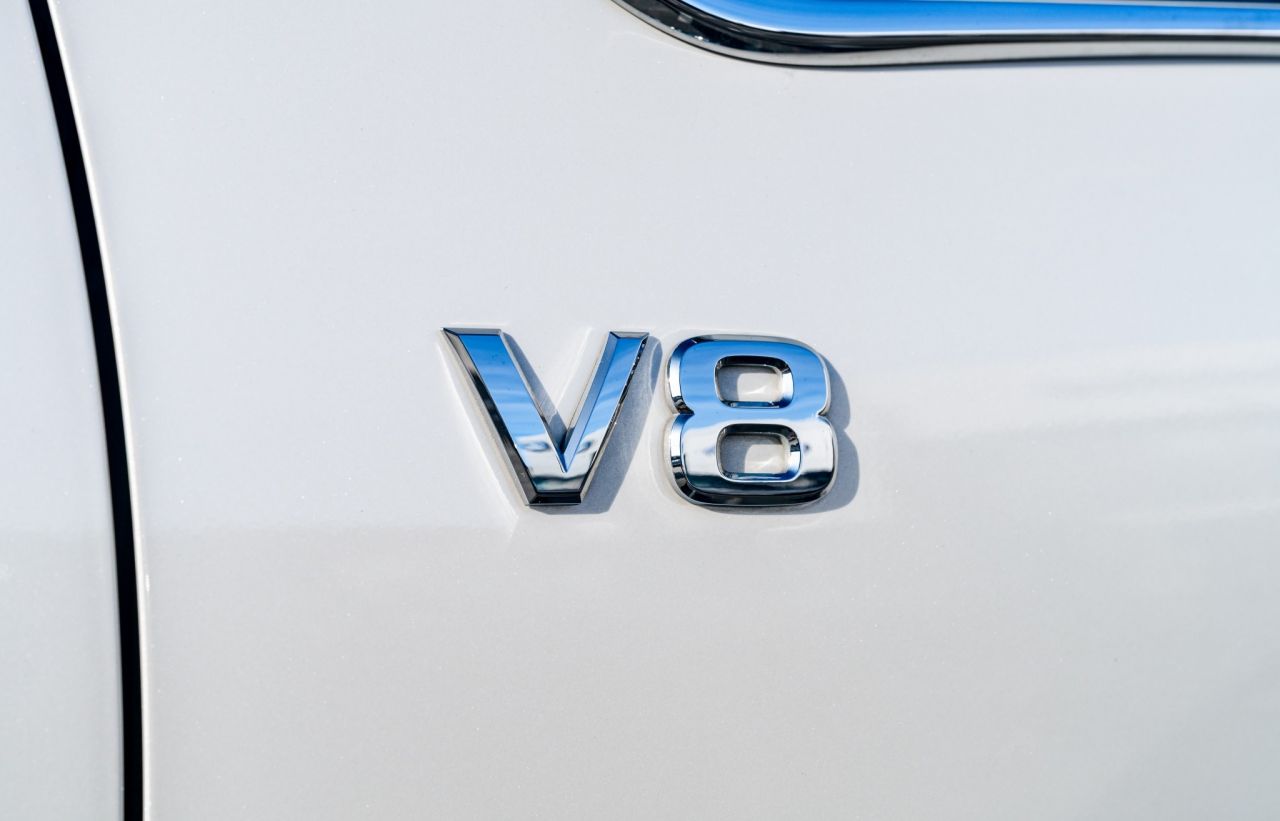
When petrol prices go through the roof, suddenly everyone wants that little hatchback instead of the gas-guzzling SUV. If you're driving something economical during a fuel crisis, it might be the perfect time to sell. Conversely, if you're in a thirsty V8, values might be softer than usual due to reduced market demand.
Economic uncertainty hits luxury and performance cars harder than sensible family wagons. When times get tough, people gravitate toward reliable, cheap-to-run transport. Understanding market trends and knowing where your car sits in this spectrum helps you anticipate what might happen to its value.
New model releases can also shake things up. When your car's manufacturer launches a shiny new vehicle, the older models often see their values slip faster. Keeping an eye on what's coming can help you stay ahead of the curve.
Seasonal Rhythms in the Car Market

Some cars have seasonal sweet spots that smart owners can work with. Understanding these patterns helps with timing and expectations.
Convertibles and sports cars peak in spring when everyone's dreaming of summer road trips. Check values in February versus August and you'll likely see a difference. If you've got something fun and sporty, timing matters.
Four-wheel drives and SUVs often get popular heading into winter, especially if you live somewhere that actually has weather. That difference between summer and autumn valuations can be worth paying attention to.
Family cars tend to move fastest around the start of the school year when parents are thinking about practical stuff like getting kids to school safely. Understanding these rhythms helps whether you're buying or selling, especially in the New Zealand market where seasonal patterns are quite pronounced.
Before You Spend Big
When your car needs a major repair or you're thinking about modifications, knowing what it's worth provides crucial context. It's not about avoiding all maintenance, but making smart choices about where your money goes.
Facing a big repair bill? Understanding your car's current value helps you work out whether fixing it makes sense or if that money would be better spent on something newer. If the repair costs more than the car's worth, the math gets pretty simple, especially for an old car with multiple issues.
The same goes for modifications. Knowing your car's standard value helps you understand whether those upgrades will actually add value or just reflect your personal taste. The car's condition and service history also play a role in these decisions. Sometimes that aftermarket exhaust system is purely for your enjoyment, and that's fine - just know what you're getting into.
Insurance And Money Matters
Insurance renewal time is perfect for reassessing your car's value. Over-insured? You might be throwing money away. Under-insured? That's a problem waiting to happen. Getting the balance right requires knowing what you're protecting.
If you're thinking about refinancing, your car's current value affects your options. If it's held up well against what you owe, you might have equity that opens doors. Understanding your position helps with negotiations.
Business owners claiming vehicle expenses need accurate values for depreciation calculations. Regular valuations keep your records straight and your accountant happy. Online car valuation tools make this process much simpler than it used to be, and various online tools are available to help with different aspects of vehicle management.
Planning Ahead
Even if you're not shopping for a new car right now, knowing your current one's value helps with future planning and budgeting.
When you do start browsing for your next car, you'll know exactly what you're working with. No nasty surprises about trade-in values or unrealistic expectations about what you can afford.
It also helps with timing. If your car's value is holding particularly well, you might choose to sell your car privately and pocket the difference. Selling privately often yields better returns than trading, but requires more effort. If it's sliding fast, trading sooner rather than later could make sense.
Understanding how your specific model typically ages helps predict the future too. Rapid depreciation suggests earlier action might be smart. Steady values give you more flexibility. The car's age and car's history both factor into these patterns.
Technology Changes Everything
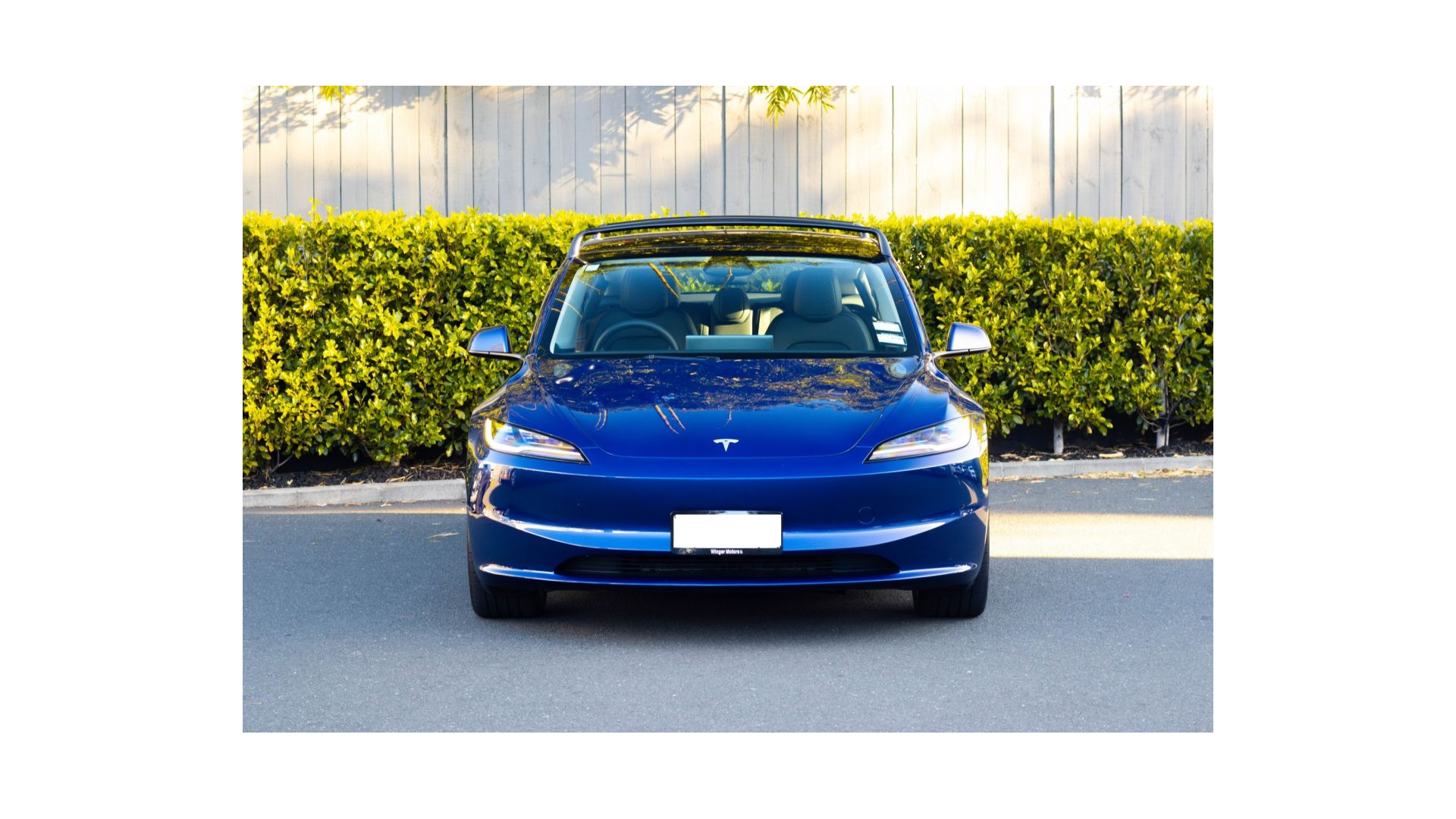
The car world is changing fast. Hybrid and electric vehicles, safety tech, and smartphone connectivity are reshaping what people want and what cars are worth. Hybrid vehicles, in particular, are seeing interesting value patterns as fuel prices fluctuate.
Electric car adoption is affecting the whole market, but especially fuel-efficient petrol cars that used to command premiums. Regular value checks help you understand how these big shifts affect your specific situation.
Modern safety features are becoming standard expectations. Cars without automatic emergency braking, lane keeping, or even basic connectivity might find their appeal limited to budget-conscious buyers.
Smartphone integration matters more to younger buyers. If your car still requires cables for music or doesn't have hands-free calling, it might be showing its age in ways that affect value.
How Often Should You Check Your Car's Resale Value?
For most people, checking once a year provides enough awareness without becoming obsessive. But some situations call for more frequent monitoring.
Planning to sell or trade within the next year? Quarterly checks help you stay current with market movements and spot opportunities. You'll get a feel for trends and can time your move accordingly. Car buyers and car dealerships often look at comparable cars when setting their asking price, so staying informed gives you an edge.
During economic uncertainty or major life changes, more frequent monitoring makes sense. Fuel price spikes, interest rate changes, or personal circumstances might warrant monthly checks to ensure you're getting a fair price if you decide to sell.
If your car's getting close to replacement time or facing expensive repairs, staying current helps with ongoing decisions about maintenance, modifications, and replacement timing. Online valuation tools provide an accurate estimate of the true market value without any sales pressure.
Get an Accurate Valuation with Only Cars NZ
Your car's a significant investment, and staying informed about its value helps with planning throughout ownership. You don't need to obsess over every market fluctuation, but understanding the key trigger points keeps you ahead of the game. Getting an accurate valuation that considers service records gives you confidence in any decisions. Get your car valuation from Only Cars NZ today.
And when you're ready to make your next move, explore our range of new cars for sale and used cars for sale, knowing exactly where you stand. You can buy a car online with confidence when you understand your current position. Whether you're considering a private sale or car sales through a dealer, knowledge of your vehicle's worth puts you in control.