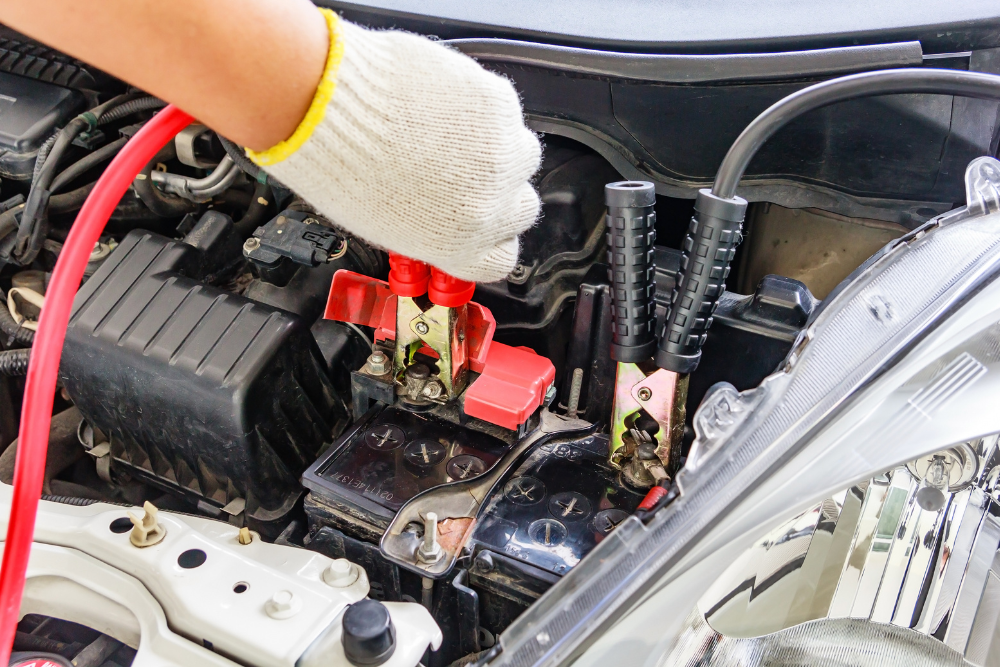
How to Jump Start a Car
Knowing how to jump-start a car is a skill every driver should have. It can be a real lifesaver when your battery dies at the worst possible time. Whether you’re rushing to work or stuck in an empty car park with no one around to help, you can get back on the road quickly and safely. And if that time is now, we’ll spare you the long intro and get straight to it!
What You'll Need:
- A set of jumper cables (ideally with a surge protector).
- A donor vehicle with a fully charged battery.
Step-by-Step Guide to Jump Starting a Car
Position the Vehicles
- Park the donor vehicle close to the car with the dead battery, but ensure they don’t touch.
- Turn off both cars and remove the keys from the ignition.
- Switch off any electrical accessories (like headlights and radios) to prevent power surges.
Locate the Terminals and Connect the Jumper Cables
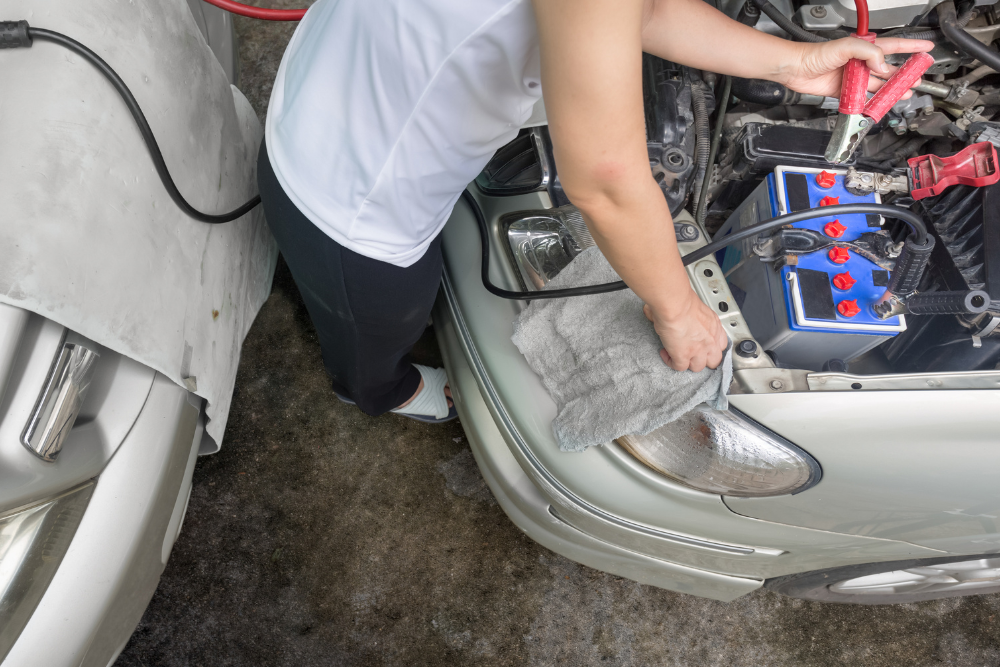
- Open the bonnet and find the positive (+) and negative (-) terminals on both batteries.
- Attach one end of the red cable to the positive terminal of the dead battery.
- Connect the other red end to the positive terminal of the donor battery.
- Attach one end of the black cable to the negative terminal of the donor battery.
- Secure the other black end to an unpainted metal surface on the engine block of the dead car (not the battery itself—this prevents sparks).
Start the Donor Vehicle
- Start the donor car and let it run for about three minutes to charge the dead battery.
Start the Dead Car
- Try turning the key in the car with the flat battery. If it doesn’t start immediately, wait another minute before trying again.
Let the Engine Run
- Once started, let the car run while still connected to the donor vehicle for a few more minutes to stabilise the charge.
Remove the Cables in Reverse Order
- Black cable first: Remove it from the grounded metal surface, then from the donor car’s negative terminal.
- Red cable next: Take it off the donor battery first, then from the jump-started car.
Keep the Engine Running
- Drive for at least 30 minutes to help the alternator recharge the battery. If the battery dies again soon after, it may be time for a replacement.
Safety Tips
- Always use quality jumper cables that match the power requirements of your vehicle.
- Never connect the negative cable directly to the negative terminal of the dead battery to avoid sparks and potential battery explosions.
- Ensure the jumper cables do not dangle into the engine bay where they can catch on moving parts.
- If you’re unsure or uncomfortable with the process, it’s wise to call for professional roadside assistance.
Push Starting a Manual Car
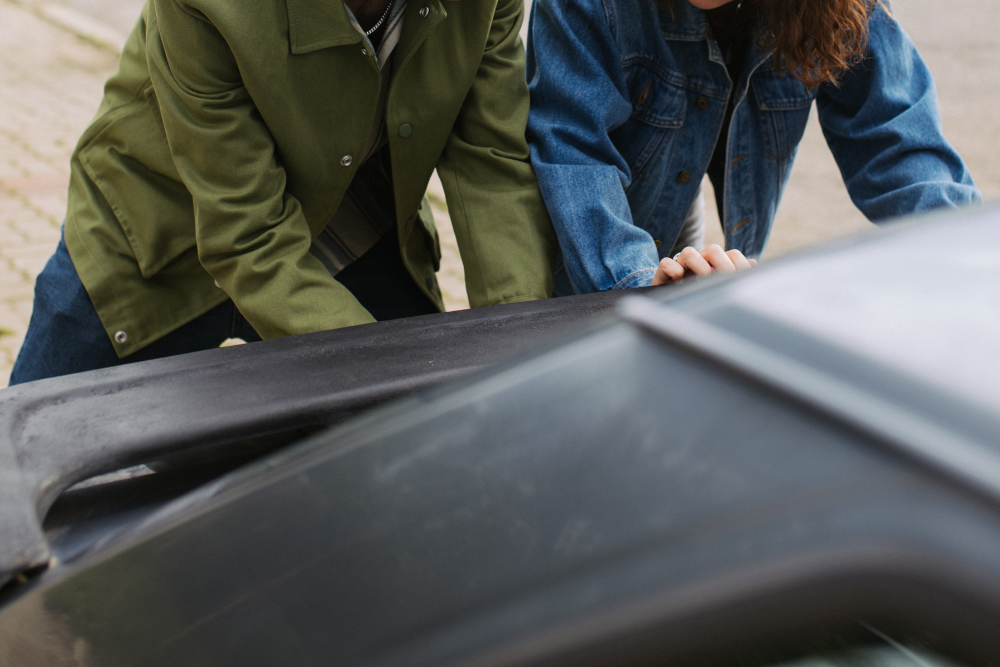
If you’re driving a manual car, a push start can sometimes get it going. Here’s how:
- Turn the ignition key to "on" and put the car in second gear.
- Press down the clutch and have someone push the car until it reaches about 10-15km/h.
- Release the clutch quickly—this should get the engine to turn over.
- Press the clutch again immediately to avoid stalling, then let the car run to build up charge.
Drive Away Happy with Only Cars NZ
If you're ready for a car that won’t leave you stranded, check out our wide range of cars for sale, including great deals on used cars for sale. Shopping on a budget? Browse our cheap cars for sale. And if it’s time to stop jump starting and move on from jumper leads and your current ride, sell your car online hassle-free.