Myths About Electric Vehicles
Electric vehicles (EVs) have come a long way in recent years, but despite their growing popularity, a lot of misinformation continues to circulate. Whether it's about their environmental impact, battery life, or practicality, many myths about EVs are simply untrue. Let’s debunk some of the most common misconceptions and set the record straight.
Myth 1: EV Batteries Don’t Last Long
One of the biggest concerns for potential EV buyers is battery lifespan, but the reality is, modern EV batteries are built to last. There are plenty of examples of EVs achieving impressive mileage on their original batteries. For instance, a Tesla Model X clocked over 640,000km with its original battery lasting more than 507,000km. Even under less-than-ideal conditions, like heavy commercial use, EV batteries are proving durable.
Most manufacturers offer warranties of at least eight years or 160,000km, covering batteries that lose more than 30% of their capacity within this period. Even with typical deterioration of around 2.3% per year, it would take over a decade for a typical EV to lose just 30% of its battery capacity.
Myth 2: EV Batteries Are Too Expensive to Replace
Yes, replacing an EV battery can be costly, ranging from $8,000 to $20,000 depending on the model. But as battery technology advances, replacement costs for electric vehicle batteries are falling. By 2030, analysts predict that replacement costs will be 40% less than they are today.
Furthermore, EVs save money over their lifetime thanks to lower maintenance and fuel costs. When factoring in the total cost of ownership, EVs remain a financially sound choice for many buyers.
Myth 3: Charging an EV Takes Too Long
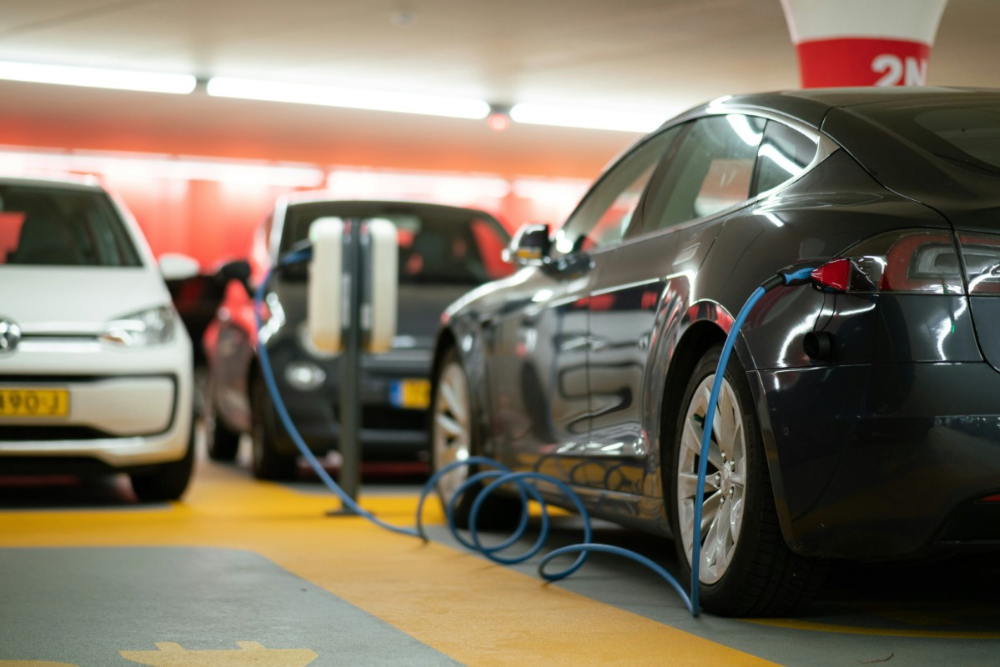
It’s true that charging an EV takes longer than refuelling a petrol car, but things are improving rapidly. Public fast chargers can currently output up to 350kW DC, with some models promising charge times from 5% to 80% in as little as eight minutes. Ultra-fast chargers with outputs of up to 1000kW are also in development, and look set to slash charging times even further.
For most EV owners, charging at home overnight is the most convenient option, especially for daily driving. And while a full charge on a standard outlet can take several hours, it’s comparable to leaving your phone to charge while you sleep.
Myth 4: EVs Are Not Environmentally Friendly
Critics often claim that EVs aren’t as green as they seem because of emissions created during battery production and the electricity used to charge them. However, studies show that over a vehicle’s lifetime, EVs have much lower carbon emissions than petrol and diesel cars.
For example, the International Council on Clean Transportation (ICCT) found that EVs cut greenhouse gas emissions by 66-69% compared to conventional internal combustion engine cars. As electricity grids become cleaner, these benefits will only increase. And when charged using renewable energy sources like solar, EVs produce almost no emissions at all.
Myth 5: EVs Can’t Tow Anything
Contrary to popular belief, many EVs are well-suited for towing, thanks to their impressive torque. While it’s true that towing can reduce range significantly, this is an issue for both electric and petrol vehicles.
Tests have shown that while towing a heavy load does impact range, EVs are perfectly capable of towing smaller trailers or boats. And while doing so will reduce the vehicle's range, most trips you'll be taking with a boat or household trailer aren't long enough for it to be an issue. As battery technology continues to improve, this drawback will diminish even further.
Myth 6: The Grid Can’t Cope with More EVs
Concerns that our power grid can’t handle widespread EV adoption are largely overblown. A report from the Reliable Affordable Clean Energy (RACE) for 2030 Cooperative Research Centre found that even if EVs made up 80% of new car sales by 2030, the impact on the grid would only be an increase of around 3-4% in daily demand.
Countries with higher EV adoption rates than New Zealand are already implementing measures like scheduled charging to help manage demand, making it clear the grid can cope with growing EV use.
Myth 7: EV Batteries Can’t Be Recycled
EV batteries are absolutely recyclable. Companies like Australia’s EcoBatt are already recovering valuable materials from old batteries, with a recycling efficiency of up to 95%. While the global infrastructure for EV battery recycling is still developing, advancements are happening quickly, and the value of these materials makes proper recycling a worthwhile pursuit.
Myth 8: EVs Are Too Heavy and Cause More Pollution
While it’s true that EVs are generally heavier than their petrol equivalents, they still produce far fewer emissions over their lifetimes. Recent studies show that EVs reduce particulate emissions by around 25% compared to internal combustion engine vehicles, thanks to features like regenerative braking and fewer exhaust emissions.
The idea that their weight makes them more environmentally harmful just doesn’t hold up.
Myth 9: There Aren’t Enough Charging Points
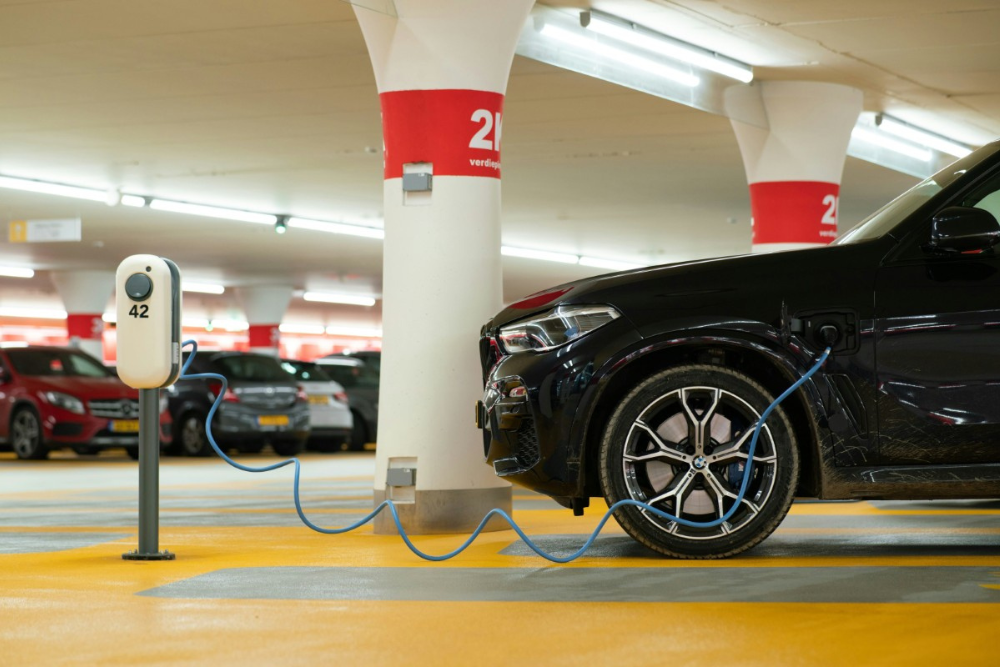
The claim that EV charging infrastructure is lacking in New Zealand is increasingly outdated. As of late 2023, New Zealand had over 420 public fast charging stations, and that number continues to grow as both private providers and government initiatives expand coverage across the country.
Moreover, home charging remains the most common and convenient option. Around 85% of New Zealand households have off-street parking, meaning the majority of EV owners can easily charge overnight using a standard wall socket or a dedicated home charger. For most drivers, this makes public chargers more of a backup than a necessity for daily commuting. Consequently, concerns over a lack of charging points are overblown.
Myth 10: EV Sales Are Slowing Down
EV sales are surging both globally and within Aotearoa. From making up just 1.4% of new car sales in 2017, EVs now account for around 14% of global car sales. Far from slowing down, EV sales in New Zealand are accelerating rapidly. In New Zealand, just 2,946 EVs were registered nationwide by 2017. By 2023, that number had grown to over 150,000 electric vehicles on New Zealand roads, with EVs making up one in every four new passenger vehicle registrations by mid-year.
The Truth About EVs
The reality is that electric vehicles are here to stay and only getting better. As technology and infrastructure continue to improve, owning an EV is becoming more accessible, affordable, and sustainable than ever. If you’re ready to make the switch, explore a wide range of electric cars for sale. Prefer something else? Check out the latest new cars for sale or find great deals on used cars for sale. Whatever you’re looking for, it's never been easier to buy a car online with Only Cars.
For a great deal on financing your new purchase, contact Credit One on 0800 300 500 today or visit CreditOne.co.nz