-33301.png)
Petrol vs Hybrid vs Electric for Family Driving
Remember when choosing a family car was easy? You'd rock up to the dealer, kick a few tyres, and drive home in something sensible that ran on petrol. Job done.
These days, it's not quite so straightforward. Walk into any showroom and you'll be faced with petrol, hybrid, electric, and probably a salesperson eager to explain the pros and cons of each. Everyone's got an opinion about which is best, but here's the thing - they can all work brilliantly for families. It just depends on what actually matters to you.
Maybe you're drawn to the idea of never visiting a petrol station again, or perhaps you want to slash your weekly fuel bill. Maybe you're thinking about the planet your kids will inherit, or you just want something reliable that gets everyone from A to B without drama.
Let's cut through the noise and look at how these three options actually stack up for real family life.
The Money Talk

Let's be honest, this is probably what you're thinking about first. With kids, money goes in all directions, so anything that helps the household budget gets attention.
Petrol cars are the devil you know. Fuel costs what it costs, your car drinks what it drinks, and servicing happens when it happens. You're looking at roughly 15-20 cents per kilometre for fuel, depending on your car and how heavy your right foot is. The beauty is predictability - no surprises, no new systems to understand.
Hybrid vehicles are where things get interesting for families. They sip fuel like your grandmother sips tea - politely and sparingly. Real-world family driving often sees 4-6 litres per 100km, which can genuinely halve your fuel consumption. Hybrid cars for sale have become popular with families because they deliver proper savings without asking you to change how you drive.
Electric cars can be the cheapest to run, especially if you can charge at home overnight. Electricity typically costs around 3-5 cents per kilometre, making petrol look expensive. But here's the catch - you'll pay $76 per 1,000 kilometres in road user charges. Still cheaper than petrol, but worth factoring in. Every battery electric vehicle produces zero tailpipe emissions, which is a major draw for environmentally conscious families.
Maintenance tells a different story, too. Electric cars are basically giant smartphones on wheels, and fewer moving parts mean less stuff to break. No oil changes, no exhaust repairs, no timing belts. Hybrid models split the difference, while petrol cars keep your local mechanic in business with regular services and the occasional unexpected repair. Comparing running costs across all three options shows significant differences.
The Convenience Factor

Here's where rubber meets road for busy families. You can have the most efficient car in the world, but if it makes your life harder, what's the point?
Petrol cars win this hands down. Petrol stations everywhere, five-minute fill-ups, drive anywhere without thinking about it. When you've got soccer practice after school and then need to pick up grandparents for dinner, this simplicity has real value. Just pull up to any petrol pump and you're sorted.
Hybrid cars give you almost the same convenience. They fill up at normal petrol stations, go similar distances to regular cars, and the clever electric power and petrol dance happens automatically. You literally don't need to think about it - the car sorts itself out. Plug-in hybrid cars offer additional electric driving capability for short trips.
Electric cars ask for the biggest change. If your life revolves around local driving (school, work, weekend sports), they can actually be more convenient than petrol. You wake up to a "full tank" every morning. But longer trips require planning around charging stations, which either bothers you or doesn't. The charging infrastructure continues to expand across New Zealand, making long-distance travel increasingly feasible.
Range matters when you've got a car full of kids asking, "Are we there yet?" Most electric cars for sale now manage 300-400km, hybrids stretch to 600-800km, and petrol cars typically give you 500-700km between stops.
The Environmental Angle: Where Electric Vehicles & Hybrid Vehicles Win
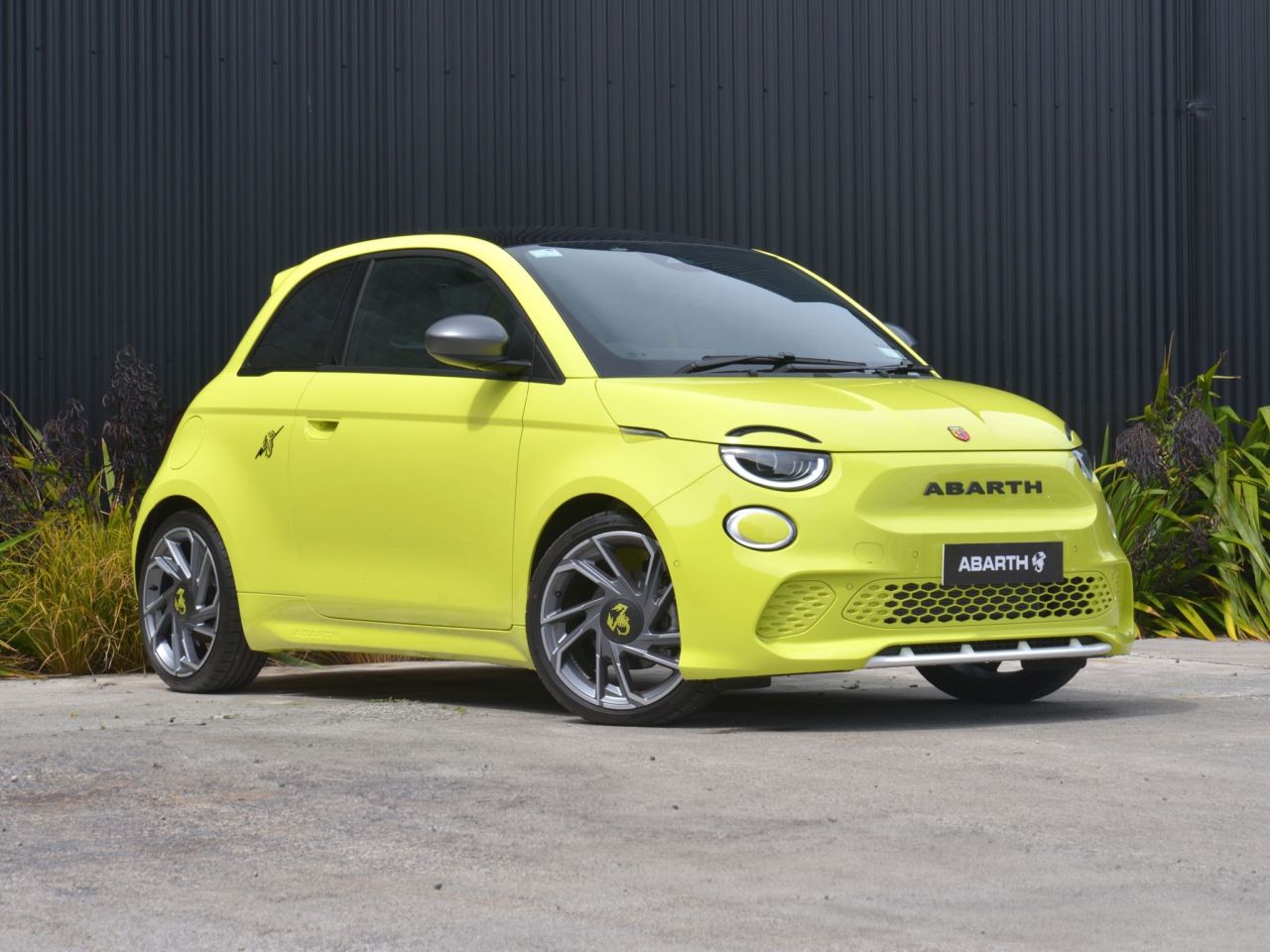
Lots of families care about this, especially when you're thinking about the world your kids will grow up in. The environmental impact of your family car choice affects both your immediate surroundings and long-term climate outcomes. Your daily driving habits also influence which option delivers the best environmental benefits.
Electric cars are the clear winners here, particularly in New Zealand where much of our power comes from renewable sources. Over their lifetime, they typically produce 60-80% fewer emissions than petrol cars, even when you factor in battery manufacturing.
Hybrid cars offer a solid middle ground - usually 30-50% lower emissions than petrol cars. They're particularly clever in city driving where the electric motor handles the stop-start stuff efficiently. Hybrid technology like regenerative braking captures energy that would otherwise be lost, contributing to their excellent fuel efficiency.
Petrol cars have the highest ongoing emissions, but modern engines are vastly cleaner than older ones. If you're upgrading from something ancient, even a new petrol engine will be a significant improvement. Today's fuel efficient designs are much more advanced than previous generations, though they still rely on the traditional internal combustion engine and petrol motor configuration.
The manufacturing story varies too. The battery pack in electric cars needs serious resources to produce, significantly affecting total energy consumption during manufacturing. However, this impact typically gets offset within 2-3 years of normal driving.
The Price Reality
This is where dreams meet budgets, and families must be realistic about what's affordable.
Petrol cars usually cost the least upfront and give you the most choice. The used cars for sale market is huge, with family options starting around $15,000 for something decent.
Hybrid cars typically add $3,000-$8,000 to the price when new, but they hold their value well. Used hybrid options are becoming more realistic, with family-suitable cars available from around $20,000.
Electric cars still command the highest prices - family-friendly options typically start around $40,000 new. The used market is thin but growing. No more government incentives, but some employers offer EV schemes worth investigating.
Think total cost of ownership, though. A pricier hybrid or electric might actually cost less over several years when you factor in fuel savings and potentially better resale values. Petrol prices are notoriously unpredictable, making long-term budgeting tricky.
Family Life Specifics
Some things matter specifically when you're hauling kids, sports gear, and the inevitable mountain of stuff that comes with family life.
Safety is excellent across all fuel types these days, though electric cars often get the latest tech as standard because they're newer designs.
Space depends more on the specific car than its fuel type. Whether you need a seven-seater van or SUV comes down to family size, not what powers it. Electric cars sometimes sacrifice boot space for batteries, and hybrids might lose a bit compared to petrol equivalents.
Noise levels can matter with kids. Electric cars run extremely quietly around town, especially at low speeds, which some families love for early school runs or when little ones are napping in their car seats.
Reliability varies. Petrol cars have decades of proven dependability, hybrids have been around long enough to establish solid track records, and electric cars show promise thanks to their mechanical simplicity.
What Works For Different Families
City families doing mostly local trips often love electric cars. Home charging plus short daily distances equals the lowest costs and the highest convenience.
Suburban families with mixed needs gravitate toward hybrids. Fuel savings for daily driving, flexibility for longer trips, and no range anxiety.
Rural families or regular road-trippers might find petrol still makes the most sense. When you're covering serious distances regularly, the infrastructure flexibility matters.
First-time family car buyers often find hybrids hit the sweet spot. Benefits over petrol without major habit changes.
Budget-focused families might find that efficient petrol cars still offer the best overall value, especially used. Get something reliable now, and upgrade later when circumstances allow.
Making The Call
Be honest about how you drive, not how you think you should drive. Do you really do those weekend road trips, or do you mostly shuttle between home, work, and the kids' activities?
If you're thinking about upgrading from your current car, getting a car valuation gives you a realistic starting point for budgeting your next purchase.
Don't get stuck waiting for the "perfect" time either. Electric car prices will keep dropping, charging networks will keep expanding, but all three options work well for families right now. Sometimes the best choice is the one that solves today's problems rather than waiting for tomorrow's ideal scenario.
And definitely test drive with your actual family in the car. Nothing beats the real-world experience of wrestling car seats, fitting sports bags, and seeing how the kids react to the different noise levels.
Find Your Next Family Car at Only Cars NZ

The car world's changing fast, but families don't need to stress about making the "wrong" choice. Hybrid and electric vehicles both offer compelling advantages, and all three fuel types can serve families brilliantly, it's about an honest assessment of your needs, budget, and priorities.
Whether you're browsing new cars for sale or exploring used options, focus on finding something that genuinely makes your family life easier. The best family car is the one that works for your specific situation, regardless of what fuel it uses.
Ready to explore your options? Buy a car online and find the perfect family vehicle for your needs.